

Funnel Strategy: Core Principles That Turn Attention Into Revenue
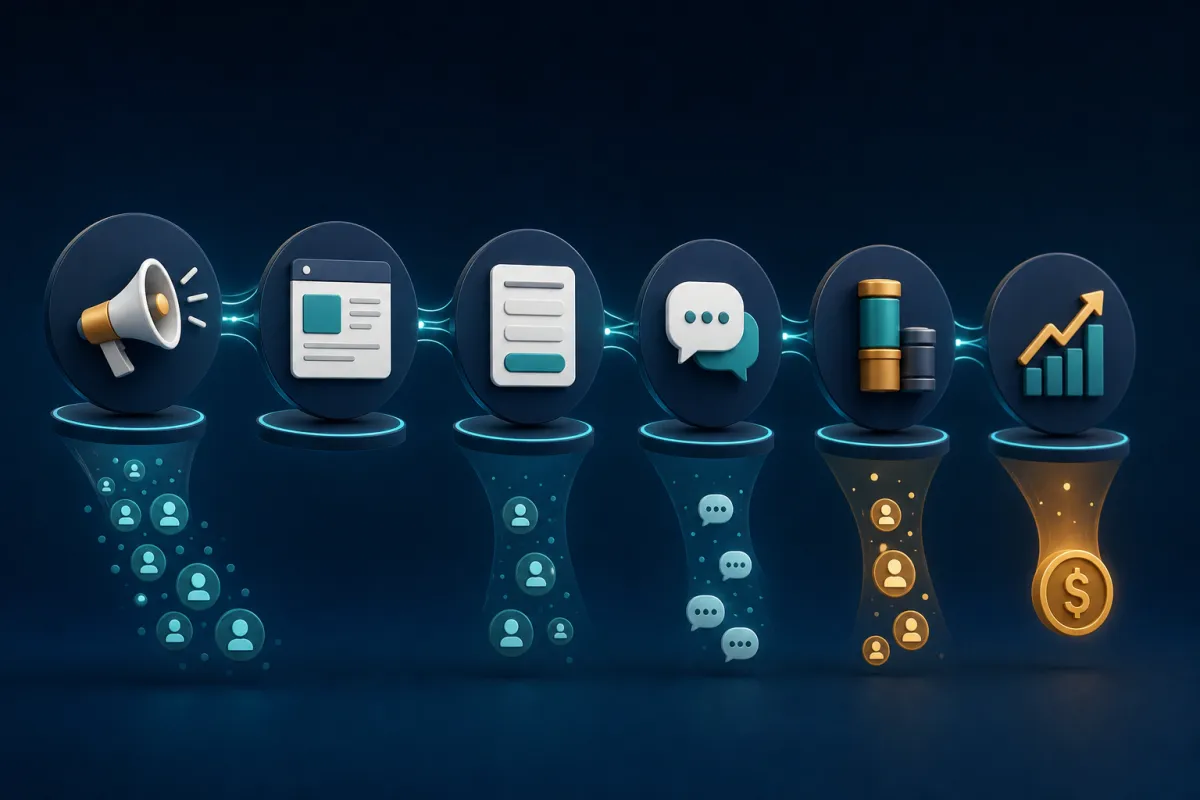
A funnel is not a magic internet slide. It is a planned sequence that helps the right people move from “I might need this” to “yes, this is the next step.” When it works, it feels natural. When it does not, it feels like being chased through a maze by pop-ups.
A strong funnel strategy uses a clear offer, one next action per stage, trust-building content, timely follow-up, and measurement. The goal is not to trick people into buying. The goal is to make the buying journey easier for people who already have a real problem to solve.
This article breaks down the core principles behind practical funnels for small businesses, then shows how Kalingo can help connect the pieces into a working system.
Why funnel strategy matters
Most buyers do not wake up ready to buy from a company they discovered 14 seconds ago. They notice a problem, compare options, ask questions, delay the decision, return later, and sometimes vanish at the exact moment your sales team made coffee.
A funnel gives that journey structure. It helps you decide what message, page, offer, follow-up, and sales action should happen at each stage. Without that structure, marketing becomes a pile of disconnected assets: ads over here, forms over there, emails somewhere else, and sales notes living their best private life.
The marketing funnel principles behind a strong strategy
- One audience, one promise: A funnel should be built around a specific buyer and a specific outcome. “We help everyone do everything better” is not a funnel promise. It is a fog machine.
- One next step per stage: At each point, ask for the smallest meaningful commitment: read, opt in, book, reply, attend, buy, or request help. Too many choices slow momentum.
- Value before pressure: Useful education, examples, checklists, demos, and FAQs help the buyer trust the process. Pressure can create clicks, but trust creates customers.
- Follow-up is part of the funnel: A funnel does not end when someone fills a form. Confirmation, reminders, nurture emails, SMS, calls, and pipeline updates are part of the conversion path.
- Measure the stage, not just the final sale: Track where people land, opt in, book, reply, show up, buy, or drop off. That tells you where to improve without blaming the entire funnel.
A practical funnel map for small businesses
Use this simple map before building pages or automations:
- Traffic source: Search, ads, referrals, social, email, direct outreach, or partner traffic.
- Entry promise: The reason someone clicks. This should match the landing page headline.
- Conversion asset: Lead magnet, quote form, booking page, product page, webinar, demo page, or consultation offer.
- Lead capture: The minimum details needed to continue the conversation.
- First follow-up: Confirmation, next-step explanation, delivery of the promised asset, or team notification.
- Nurture path: Helpful emails, reminders, proof, FAQs, and sales prompts based on the buyer’s stage.
- Decision point: Book, buy, request proposal, attend appointment, approve estimate, or start trial.
- Measurement: Page views, opt-ins, bookings, sales orders when relevant, pipeline movement, and follow-up outcomes your team records.
A simple sales funnel strategy workflow
Here is a practical funnel planning example you can adapt without making the process heavy:
- Visitor submits a quote form: The page promises a clear outcome and asks only for the details needed to continue.
- Kalingo sends confirmation: The prospect receives a short message explaining what happens next.
- The team gets ownership: A clear internal handoff keeps the lead from sitting untouched.
- Helpful follow-up continues: If there is no reply, send a relevant reminder or useful resource.
- The pipeline is updated: When the lead books or replies, move the opportunity forward and stop irrelevant reminders.
Examples of funnel strategy in the real world
Consultant: A guide about a costly business mistake leads to a diagnostic checklist. The follow-up sequence shares examples, answers common objections, and invites qualified readers to book a strategy call.
Local service business: A search campaign sends urgent prospects to a focused landing page. The form captures essential details, the team receives a notification, and the prospect gets confirmation with the next step.
E-commerce brand: A product education page leads into a first-purchase offer. Post-purchase follow-up introduces care tips, related products, and review requests.
Training or course business: A webinar registration page starts the journey. Reminders improve attendance, follow-up answers questions, and the sales page gives a clear path to enroll.
How Kalingo helps you build the system
Kalingo supports the operational side of funnel strategy: capturing leads, organizing them in the CRM, following up automatically, tracking actions, and reviewing performance. That matters because a funnel is not just a page. It is a connected customer journey.
- Landing pages and funnels: Create focused conversion paths for campaigns, lead magnets, appointments, or offers.
- Forms and CRM: Capture lead details and keep them organized for follow-up.
- Automations: Send confirmations, nurture messages, reminders, and internal notifications based on key actions people take, such as a form submission or appointment booking.
- Pipeline and reporting: See which leads become conversations, appointments, opportunities, or customers.
Common mistakes to avoid
- Building pages before the offer is clear: A beautiful funnel cannot rescue a vague promise.
- Skipping the middle: Not every buyer is ready for a sales call immediately. Give them a useful next step.
- Over-automating: Automation should support the relationship, not make people feel trapped in a vending machine.
- Measuring only traffic: Traffic matters, but stage-by-stage movement tells you where the funnel needs work.
Summary and next steps
Funnel strategy is the art of designing a clear, helpful path from attention to action. Start with one audience, one promise, one next step per stage, and a follow-up plan that supports the buyer.
Next step: Use Kalingo to map your funnel, capture leads, automate follow-up, and measure what happens after the first click.
Recommended next reads
- Marketing Automation for Small Businesses: What to Set Up First
- Appointment Reminder Automation: Email, SMS, and No-Show Reduction
- Lead Scoring for Small Businesses: When to Call, Email, or Wait
Ready to compare options? View Kalingo pricing plans and choose the setup that fits your next growth move.
Frequently asked questions
What is the most important part of funnel strategy?
The offer. If the offer is unclear, the funnel will struggle no matter how polished the pages and automations are. Start with the buyer, the problem, and the promised outcome.
How many steps should a funnel have?
Use only as many steps as the buying decision needs. A simple quote request may need one page and fast follow-up. A higher-ticket service may need education, proof, qualification, and a sales conversation.
Can small businesses use funnels without a big ad budget?
Yes. Funnels can support search traffic, referrals, email campaigns, social posts, partnerships, and existing website traffic. The key is matching the message and follow-up to the visitor’s intent.
How does Kalingo support funnel strategy?
Kalingo helps connect landing pages, forms, CRM records, follow-up automations, pipeline tracking, and reporting so your funnel is easier to manage and improve.